
Planning an unforgettable journey to India involves more than just selecting destinations; understanding the country's vast and varied climate is crucial for an optimal experience. India, a land of incredible diversity from the snow-capped Himalayas to sun-drenched southern beaches, offers distinct seasonal charms. Therefore, knowing the ideal travel weather India presents can significantly enhance your trip.
Understanding India's Diverse Climate
India is truly a subcontinent, boasting a climate that ranges dramatically across its vast expanse. When one region is experiencing heavy snowfall, another might be enjoying bright sunshine and cool breezes. This geographical spread means that the India travel forecast is rarely uniform nationwide.
The Dry Season from December to March
What is it? This period is characterized by cool, dry weather across vast swathes of India. Rain is almost non-existent, and most of the country basks in warm sunshine, making it the most popular time for visitors.
Why is it ideal? The pleasant temperatures and lack of rain create perfect conditions for sightseeing, cultural tours, and outdoor activities in most regions, especially Rajasthan and the Golden Triangle. It is the peak season for tourist weather India.
How to plan: Pack light clothing for warm days and a sweater for cooler evenings, particularly in northern areas. Hotels in popular destinations tend to book up quickly during these months, so advance planning is highly recommended.
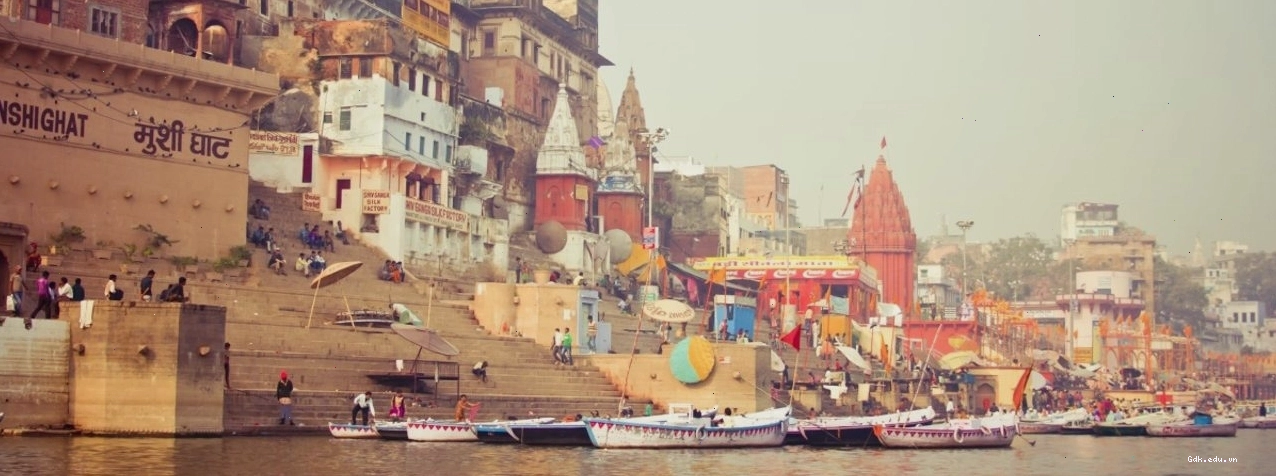
The Shoulder Seasons October, November and April
What are they? These months act as transitional periods. October and November follow the monsoon, bringing pleasant, drying conditions, while April precedes the intense summer heat and monsoon.
Why consider them? For travelers seeking to avoid peak season crowds and potentially find lower prices for accommodation, the shoulder seasons are an excellent second choice. While there's a risk of the odd shower and higher temperatures or humidity, the benefits of fewer tourists often outweigh these minor inconveniences.
How to plan: Be prepared for slightly warmer conditions and occasional rain, especially in October. This is a good time for those who prefer a more relaxed travel pace and are budget-conscious.
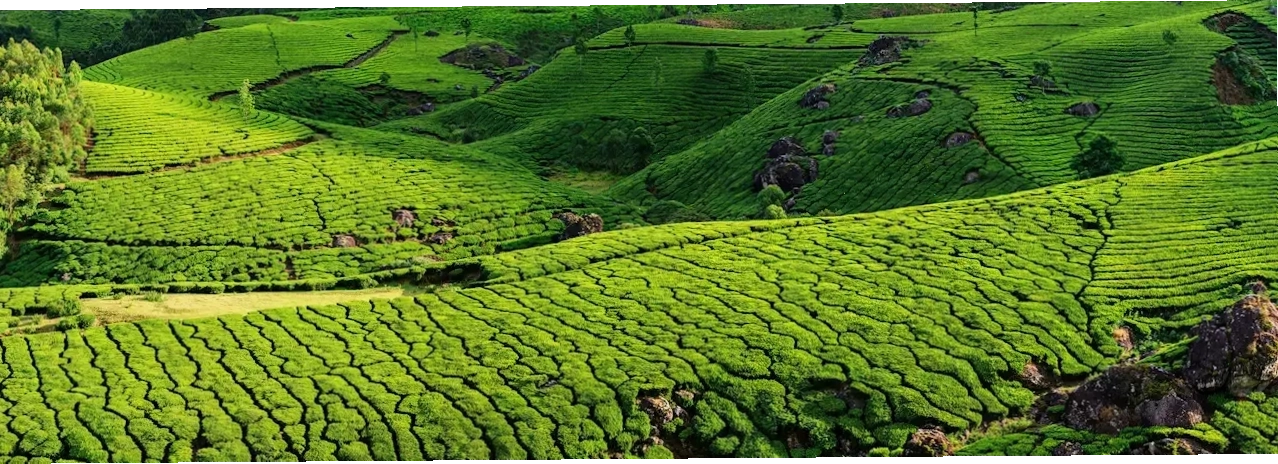
The Monsoon Season June to September
What is it? The monsoon brings heavy rainfall to large parts of the country, typically from mid-June to early September. This seasonal rain is vital for India’s agriculture.
Why is it challenging for travel? Central and northeast India can become very hard to navigate due to flooding risks and muddy conditions. However, not all regions are equally affected.
How to plan: Regions like Rajasthan in the east and Tamil Nadu in the southwest are considerably drier and remain visitable during this period. Ladakh, in the far north, becomes most accessible between June and September, offering a unique opportunity to explore the Himalayas during the rest of India's rainy season. Always check the local weather india forecast before planning your monsoon travel.
Himalayan Weather Unique Mountain Conditions
What is it? The far northern states of India, including Kashmir and the Himalayas, experience cold winters with snow at higher altitudes. Their mountainous topography creates distinct weather patterns compared to the rest of the country.
Why is it different? While most of India enjoys warm, dry weather from December to March, the Himalayas have chilly temperatures and significant snowfall. The monsoon also brings heavy rainfall to these areas in July and August, leading to muddy trails and obscured mountain views.
How to plan: The best time for exploring the spectacular Himalayan scenery is spring or autumn (October and November, or April and May) when temperatures are warmer, and rains are sparse. Winter offers opportunities for skiing in places like Manali and a wonderfully atmospheric Shimla under a blanket of snow, provided you are prepared for the cold. Even when it's pouring elsewhere in August, the trekking season in Ladakh is in full swing.
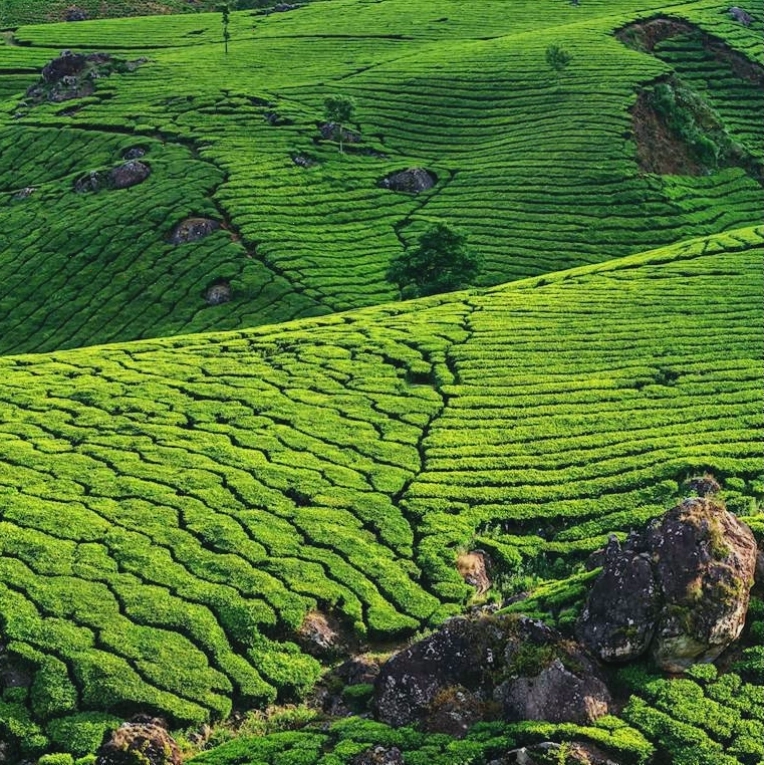
A Month by Month Guide to India's Travel Weather
Understanding the nuances of each month can help you tailor your Indian adventure. This detailed tourist weather India guide provides insights into what to expect.
January Clear Skies and Cold Nights
January offers warm, dry days in Rajasthan and the north, perfect for sightseeing, although morning fog can linger. Southern states like Kerala are popular warm, sunny escapes, and properties tend to fill up quickly. The Himalaya region provides some of the best mountain views, but travelers need to dress warmly for very cold conditions.
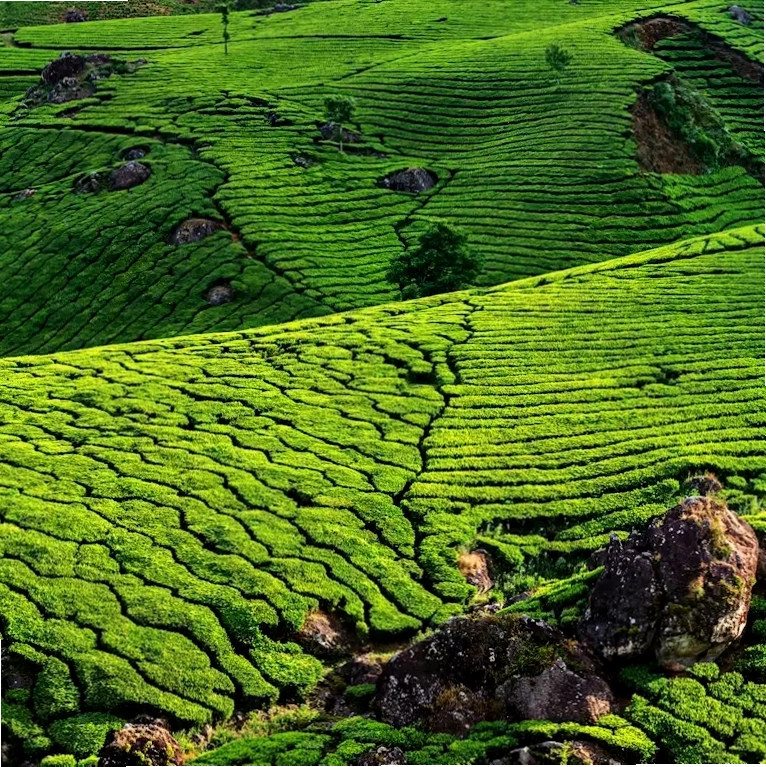
February Warm Sunshine Across the Nation
As fog clears in the northern states, February emerges as one of the best months to travel, with nearly the entire country experiencing warm and sunny weather. Due to high demand, hotels are often booked well in advance, so planning is essential.
March Festivals and Rising Temperatures
March is a very popular month, combining great weather with the vibrant Holi festival. This colorful paint-throwing event is a joyful celebration of good over evil. Temperatures begin to increase country-wide, making it a transitional but generally pleasant period for your holiday weather India.
April Wildlife Sightings and Increasing Heat
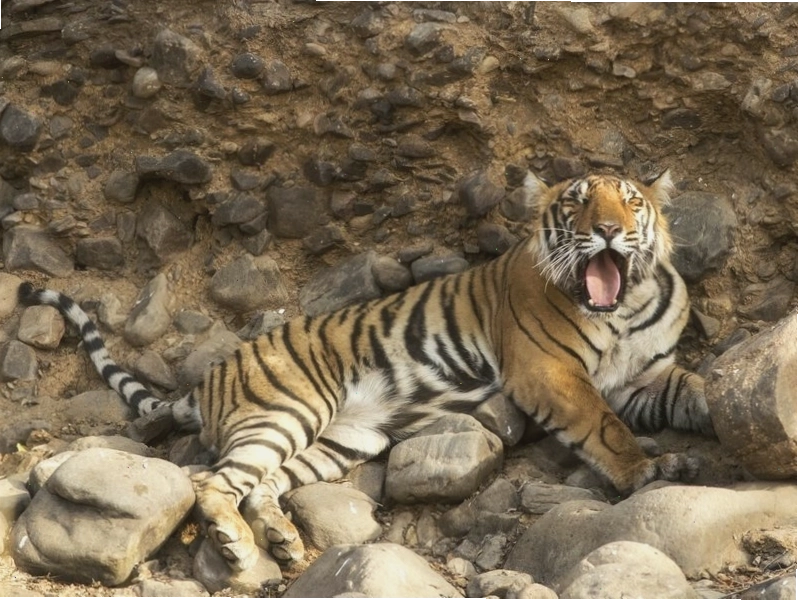
April sees a notable increase in temperatures across India. This month is excellent for wildlife enthusiasts, especially in central parks, as limited water sources mean frequent sightings at watering holes. Given the very high daytime temperatures, morning and evening excursions are highly recommended. Be aware that hotels are very busy over Easter, so flexible travel dates or early bookings are advised.
May Pre-Monsoon Heat and Humidity
May experiences continued temperature increases across India, often accompanied by rising humidity and the potential for thunderstorms as the country approaches the monsoon season. While the heat can be intense, it can also lead to excellent value trips for those prepared for the conditions. This period can still offer unique experiences before the heavier rains arrive.
June to September Monsoon Rains and Specific Regional Access
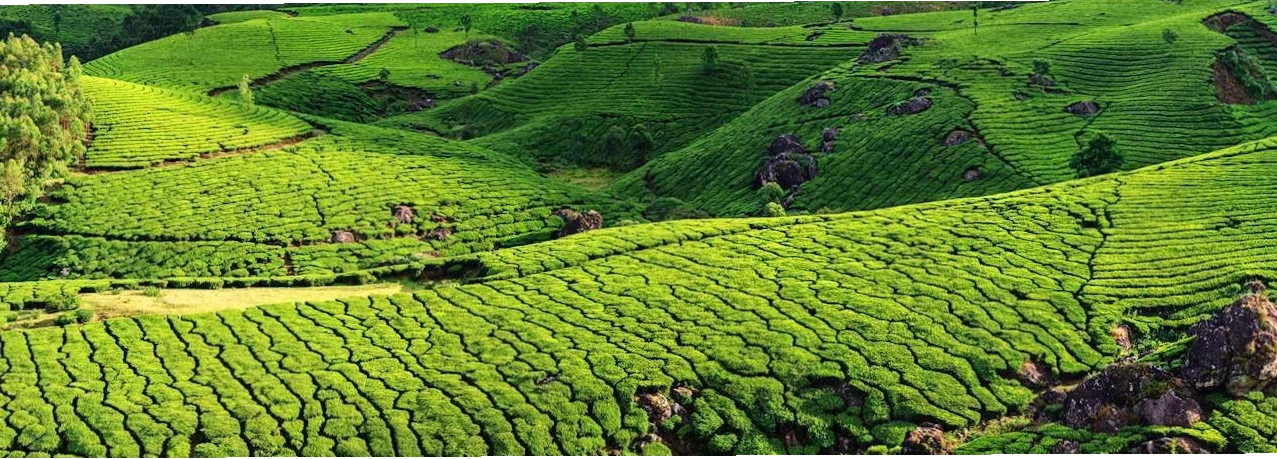
From mid-June to early September, the monsoon brings heavy rainfall to many parts of India. While central and northeast India experience significant downpours and potential flooding, making travel challenging, Ladakh in the far north becomes most accessible. This period is ideal for exploring Ladakh's unique high-altitude deserts and trekking routes, which are typically clear and dry when other regions are wet.
October Post-Monsoon Refresh and Pleasant Conditions
As the monsoon recedes, October ushers in a refreshed landscape and increasingly pleasant weather. The Himalayas, in particular, become an excellent destination, offering dry conditions and crisp air before the onset of winter's chill. It's a fantastic time for trekking and enjoying clear mountain views without the intense heat or the monsoon's dampness. This marks a comfortable period for the India travel forecast.
November Ideal Conditions for Southern India
November is generally considered the start of the best time to visit India's southern states. After the monsoon has fully ended, regions like Kerala and Tamil Nadu enjoy warm, dry, and sunny weather. This makes it perfect for exploring beaches, backwaters, and cultural sites without the humidity or heavy rains of earlier months. It's an excellent choice for a relaxing holiday weather India experience.
December Festive Season and Peak Dry Weather
December is a prime month for travel across India, often considered part of the peak dry season. Most of the country experiences warm, sunny days and cool, clear nights, ideal for festivals and holiday celebrations. Tourist destinations are bustling, reflecting the perfect weather conditions for exploration and cultural immersion before the cooler temperatures of January set in across the north.
Regional Weather Highlights and Best Times to Visit
India's sheer size necessitates a regional approach to understanding its climate patterns. Each area offers a unique experience based on its specific weather calendar.
Kashmir and the Himalayas
The mountainous states of Kashmir, Himachal Pradesh (Shimla, Manali), and Uttarakhand (Rishikesh) experience cold winters with snowfall. Autumn (October and November) is the prime time to visit for clear views and mild temperatures. Spring (April and May) also offers pleasant weather before the monsoon. For a winter break with skiing, Manali is a notable option.
Rajasthan and the Golden Triangle
This popular tourist circuit, including Delhi, Agra, and Jaipur, enjoys its best weather from October to March. Expect warm, sunny days and cool nights, ideal for exploring forts, palaces, and vibrant cities. While the monsoon impacts central India, Rajasthan often remains relatively drier during this period.
Southern India Kerala and Tamil Nadu
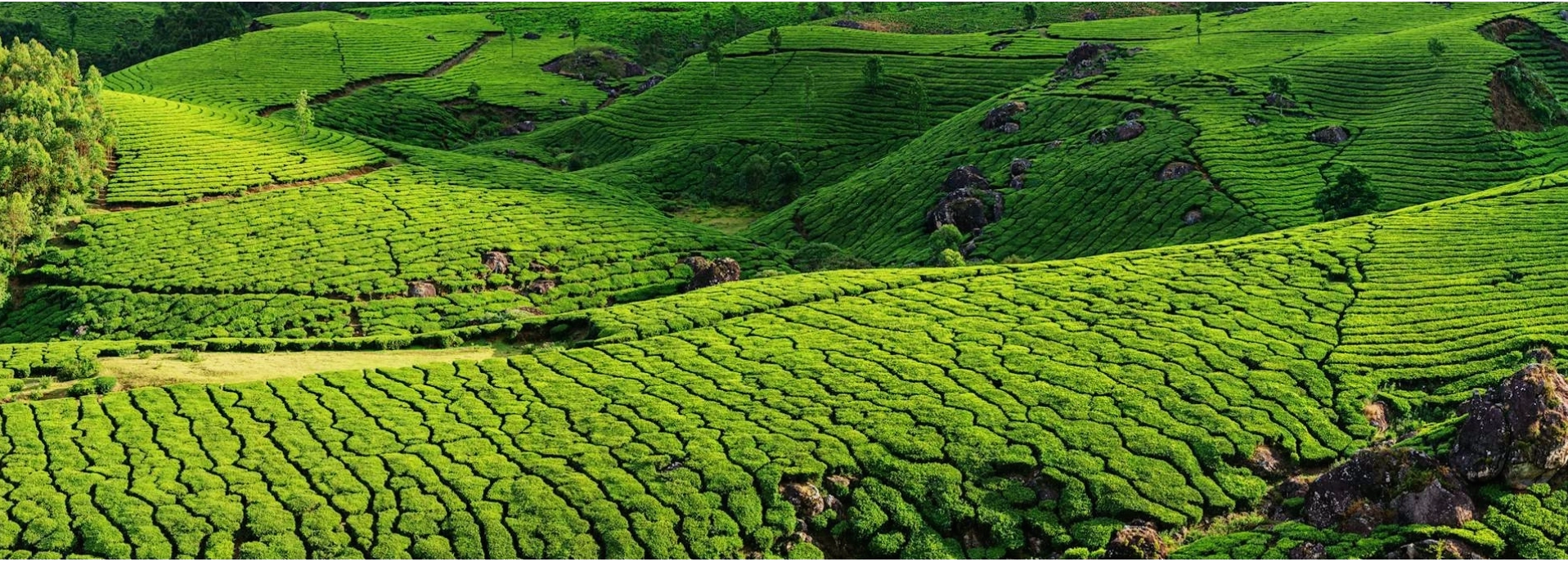
The southern states, with their coastal and tropical climates, are best visited from November onwards, once the monsoon rains have concluded. The weather during this period is warm, humid, and largely dry, perfect for enjoying beaches, backwaters, and Ayurvedic treatments. Even during the monsoon, these regions might experience lighter rainfall compared to the north-east, offering a unique emerald landscape.
Planning Your Trip for Optimal India Travel Forecast
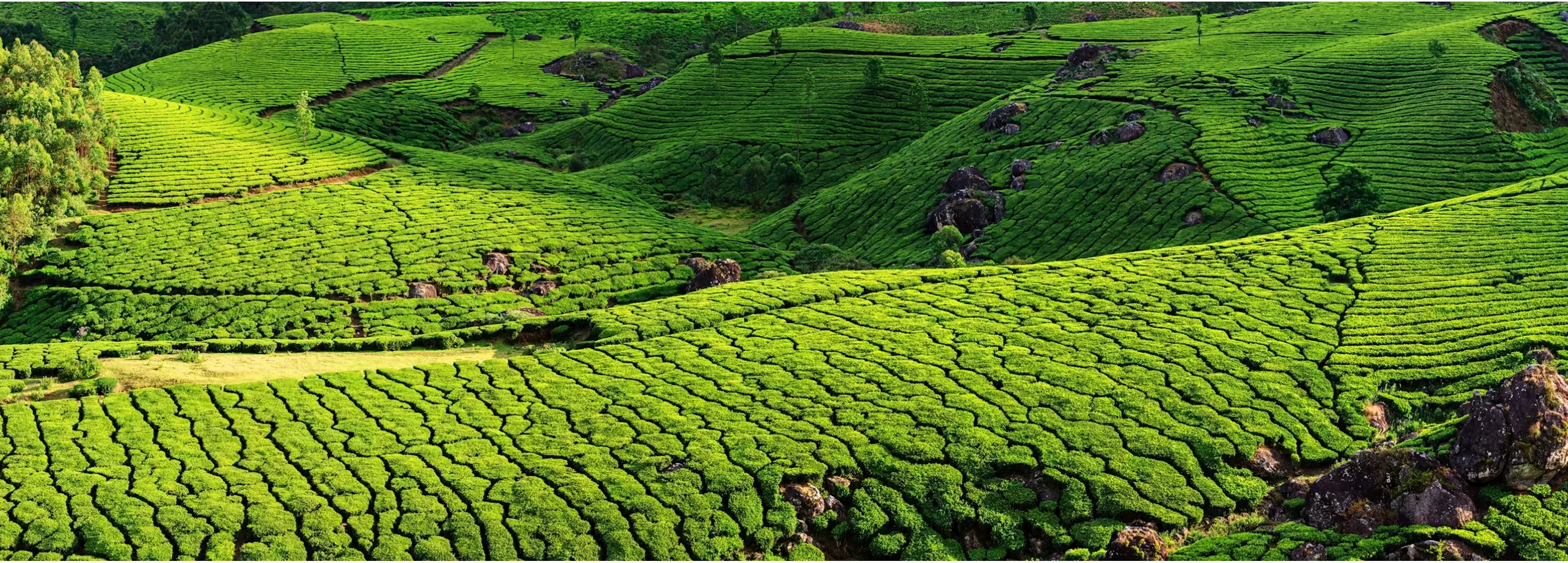
To maximize your enjoyment of India's incredible sights, carefully consider the season and regional weather. If flexibility is an option, aiming for the dry season (December-March) is generally recommended. However, don't dismiss the shoulder seasons for their unique advantages or specific regions during the monsoon for distinct experiences like Ladakh.
Always consult an up-to-date weather india forecast closer to your departure date. Furthermore, familiarize yourself with any relevant terms and conditions when booking accommodations or tours, especially if traveling during transitional periods where weather can be more unpredictable. This foresight ensures a smoother and more enjoyable journey.
Your Ideal Indian Adventure Awaits
India's vastness means there's always a region offering favorable conditions, regardless of the time of year. Whether you dream of Himalayan treks, desert safaris, or tranquil backwater cruises, understanding the local climate is your key to a successful journey. By aligning your travel dates with the best regional holiday weather India offers, you are set to create truly unforgettable memories. Start planning your extraordinary Indian adventure today, knowing you're prepared for the elements!